
With a size of 1,122 sq km, Akagera National Park is Rwanda’s best birding hotspot with a checklist of over 500 bird species. This vast and low-lying national park is the country’s only savanna park, and a great destination explored on all classic Rwanda birding Tours. Akagera National Park impressive checklist is due to its geographic location at the confluence and transitional zones of Africa’s most important bird biomes/habitats.
In Akagera National Park, the expansive East African savanna grasslands and Zambezian miombo woodlands give way to the largest wetland system in Central East Africa. This extensive and complex wetland system comprises a dozen lakes fed by River Kagera as it meanders through to drain north-east into Lake Victoria. This vast wetland is an Important Bird Area (IBA) recognized by Birdlife International that supports and protect biome-restricted bird species and a wide range of avifauna.
Beyond the rewarding birding experience, Akagera National Park offers exciting wildlife viewing opportunities including all the African Big 5 in the midst of stunning landscape setting of rolling hills, open grassland plains and lakes.
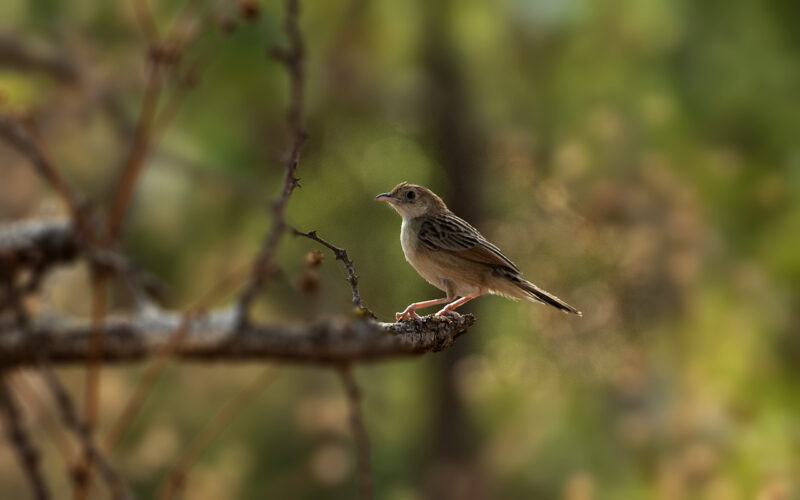
Key Bird Habitats and Highlights in Akagera National Park
Akagera National Park’s wide variety of bird-rich habitats include; vast savanna woodlands, grassland plains and wetland fringed lakes that support a diversity of local specialists unique to these habitats including range-limited specialists.
Below are key habitats explored while on a birding excursion here, including;
-
Birding the Broad-leafed Woodlands
Birding through the broad-leafed wooded hillsides at Akagera NP offer chances to encounter several Zambezian biome restricted specialists at their northern range-limit here. These include; Tabora Cisticola, Southern Black Flycatcher, Miombo Wren Warbler, Souza’s Shrike, Ruaha Chat and the Red-faced Barbet, an East African endemic.
The park’s extensive woodlands host Slate-coloured Boubou, Green-winged Pytilia, Emerald-spotted Wood Dove, Greater Honeyguide, Narina Trogon, Red-throated Wryneck, African Grey Hornbill, Stout Cisticola, and the elegant Lilac-breasted Roller, Green-capped Eremomela, Cabani’s and Cinnamon-breasted Buntings.
The acacia woodlands host the Pearl-spotted Owlet, Green Woodhoopoe, Little Spotted, Golden-tailed and Bennett’s Woodpeckers, Spot-flanked Barbet, Bare-faced Go-away Bird, Crested Francolin and more.
Raptors are well represented in; Bateleur, Black-chested and Brown Snake Eagles, Martial, Walberg, Bateleur and Tawny Eagles. Vultures include Griffin’s, White-backed, White-headed and Lappet-faced Vultures.
-
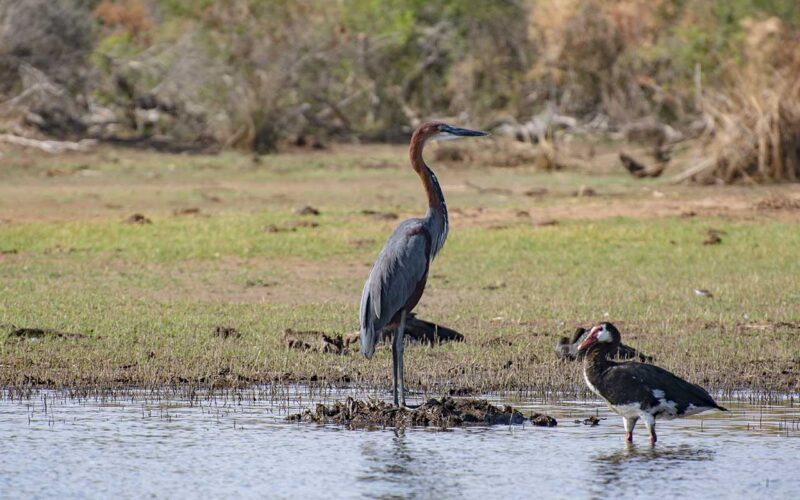
Birding the grassland plains in Kilala Sector
The expansive grasslands plains of Kilala are located in the north-section of Akagera National Park that stretches over gently rolling hills and wetland. In the midst of impressive wildlife sightings over these plains, bird highlights include; Collared Pratincole, Rufous-naped and Flappet Lark, Rep-capped Lark, Long-billed and Grassland Pipits along with Kittlitz’s Plover, Senegal and Wattled Lapwing. Yellow-throated Longclaw, Southern Red Bishop, Hildebrandt’s Spurfowl, Coqui and Crested Francolins.
-
Birding on Lake Ihema- Akagera National Park
While birding at Akagera National Park take a rewarding birding boat cruise on Lake Ihema, the largest of the chain of lakes fed by the Kagera river for an excellent birding expereince with a quality check-list of waders and water associated specialists including the elusive African Finfoot. The birding cruise follows the wooded-fringed lake edges where Lake Victoria biome specialists include; White-winged Swamp Warbler, Marsh Tchagra, Fan-tailed Widowbird, Blue-headed Coucal, Northern Brown-throated Weaver and more.
The bird-breeding island on Lake Ihema hosts a diversity of waders including African Darter, Long-tailed and Great Cormorant, Black-crowned Night Heron. Other specialists include; Spur-winged Goose, Saddle-billed Stork, Egyptian Goose, Malachite and Pied Kingfishers, Swamp Flycatcher, Yellow-billed Stock, African Spoonbill, Long-toed Lapwing, Lesser Moorhen and more. African Marsh Harrier, African Fish Eagle, seasonal Western Marsh Harrier and Osprey patrol the skies above these wetlands.
-
Birding along the Wetland Edges
Akagera National Park protects the largest wetland system in central Africa elevated along the plateau between the great East Africa Rift valley. The extensive marsh is fed by the meandering Kagera River that drain further north east into Lake Victoria then into River Nile. Key bird highlights across these vast wetlands include up to 8 Lake Victoria Biome restricted species including; Papyrus Gonolek, White-winged Swamp Warbler, Blue -headed Coucal, Blue-breasted Bee-eater, Caruthers Cisticola, Lesser Jacana among a quality list of wetland associated specialists.
Shoebill pairs are often spotted in the north sector of the park.
Getting To and Amenities at Akagera National Park
Akagera National Park lies only 120 km east of the capital Kigali, a drive that should take about 2.5 hours, accessed through the park’s southern gate of Kayonza. The park’s northern gate of Nyungwe is exit-only. Excellent and top quality accommodations are located within the park itself and on the edges of the park suitable for all budgets.
Best time to Bird in Akagera National Park
Akagera National Park is an-year-round birding destination. The park lie in a low-lying area, a contrast to Rwanda’s average landscape standard of towering highlands and receives average rains less that in the highlands. Akagera NP has dairy an average temperature of 25degrees C or 77 degrees F during the day falling to 16 0 C/61 0 F at night.
The park experiences two annual wet seasons from October to early December and a short one between March to early May where tracks require a 4WD vehicle especially near wetlands. The dry spell from June to September means vegetation is dry but more wildlife near the water sources.