
Planning a Rwanda birding tour; here is our recommendations on best time, best hotspots and hands-on tips to inspire you as you plan your trip here. Beyond Rwanda’s top bucket list adventure of trek expereince up-close the mountain gorilla and the chimpanzee in their montane rainforest homes, the country offers one of the best montane birding experience in the region.
Covering an area of 26,340 km 2, Rwanda sits high elevated between 1500m-2500m at the heart of the Albertine Rift Endemic area, Africa’s most biological hotspot. The Albertine Rift is Africa’s top birding hotspot covering the country’s western region where habitats include ancient rainforests, montane ranges, high-altitude swamps and wetlands.
Rwanda’s eastern region consists of expansive savanna plains, wetlands dotted with lakes and wooded grasslands. The country’s high altitude, excellent all-year-round equatorial weather, compactness and great infrastructure linking top birding sites, makes birding here easy and rewarding.
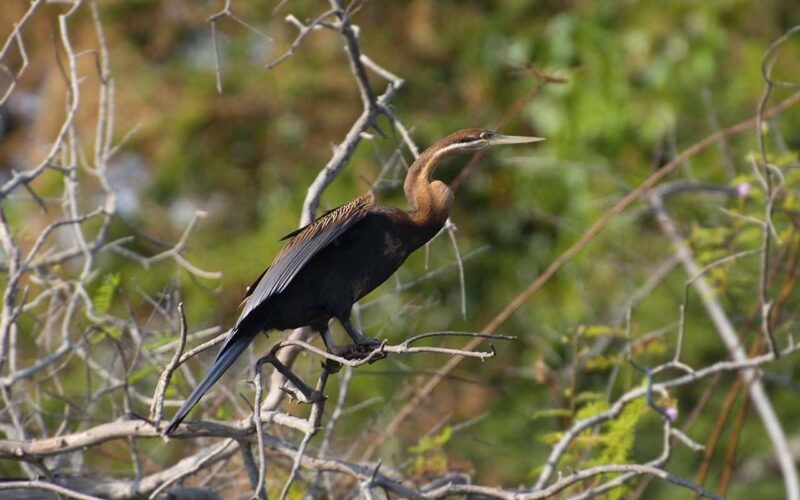
Where to go birding in Rwanda – Top Birding Hotspots
Rwanda protects an incredible diversity of bird habitats including Africa’s bird-rich biomes that converge here supporting up to 750 bird species’ checklist. These continental biomes/habitats include the Albertine Rift Endemic Zone which includes the ancient montane forests and rainforests, extensive savanna woodlands, high-altitude swamps and the extensive Akagera Wetlands also the largest wetland in East Africa. Birding in Rwanda occurs anywhere including city green parks, restored wetlands and hillsides making this small country a top birding destination.
These varied Rwanda’s bird-rich habitats are protected as national parks and reserves whereas some are designated as Important Bird Areas (IBA) and Ramsar sites due to their biodiversity importance.
Below are Rwanda’s top birding hotspots.
- Nyungwe Forest National Park is Rwanda’s top birding hotspot offering the best montane birding expereince. This oldest montane forest on the continent lies at the heart of the great Albertine Rift known for its high diversity of endemism. Nyungwe Forest boasts a checklist of over 320 species comprising of up to 29 Albertine endemics and a quality list of montane specialists. Nyungwe Forest is highly accessible with a great network of birding trails, excellent guides and a wide range of accommodations. A tailored specialist birding tour to exploit Nyungwe’s diversity require up three days excursion.
- Gishwati-Mukura NP: Lying north of Nyungwe Forest, Rwanda’s new national park offers excellent birding. A large section of the park is a regenerating forest hosting several usually shy and skulking high-altitude specialists.
- Volcanoes National Park within the Virunga massifs is another birding hotspot hosting a variety of Albertine Rift Endemics and restricted range specialists.
- Akagera National Park, also Rwanda’s biggest and only savanna park boasting a rich mosaic of habitats supporting up to 500 bird species. These habitats include an extensive wetland system fed by the Kagera river that host various Lake Victoria biome-restricted and water associated specialists. The savanna woodlands and grasslands are rich with a variety of species of interest notably the East Africa’s endemic; the Red-faced Barbet and a variety of southern Africa specialists at their northern-range limit here.
- Other great birding hotspots in Rwanda include extensive wetlands protected as Important Bird Areas (IBA) and Ramsar sites hosting a wide range of specialists from Lake Victoria biome to high-altitude marsh species. These bird-rich wetlands include Rugezi Wetlands in the north of the country and Bugesera Wetlands both reliable birding sites for the skulking Albertine Endemic Grauer’s Swamp Warbler, White-winged Swamp Warbler and the rare Papyrus Yellow Warbler among others.
- Kigali City offers an unmatched urban birding experience across its numerous green parks, golf fields, lagoons, hotel gardens and eco parks. Meanwhile just anywhere across this highly cultivated terraced highland country any small patch of forest and garden provides excellent birding opportunities.
Planning a Rwanda Birding Trip – What to Consider, Tips and Recommendations
- Trip Duration and Birding Hotspots to Visit
For visiting birdwatchers to Rwanda, the major highlight and target are the Albertine Endemics in the country’s montane forests that lie along the western region of the country. These high-altitude and ancient montane forests are the oldest on the continent hosting up to 29 Albertine Rift species restricted to this endemic zone and a rich checklist of afro-montane highland species.
Birdwatchers with the experience of East African birds, might want to spend more time exploring these high-altitude montane rainforests spread across the Albertine Rift zone to tick off local endemics.
For example; our specialized birding plan of 8-Days concentrates and focuses on the Albertine Endemics and afro-highland specialists restricted in these montane ranges.
First time visiting birders to Rwanda would require up to 14 – 20 Days to explore the bird-rich birding sites spread across the country. Here is look at our tailored and well paced 13-Day Rwanda Birding and Primates Tour that offers a rewarding birding experiences.
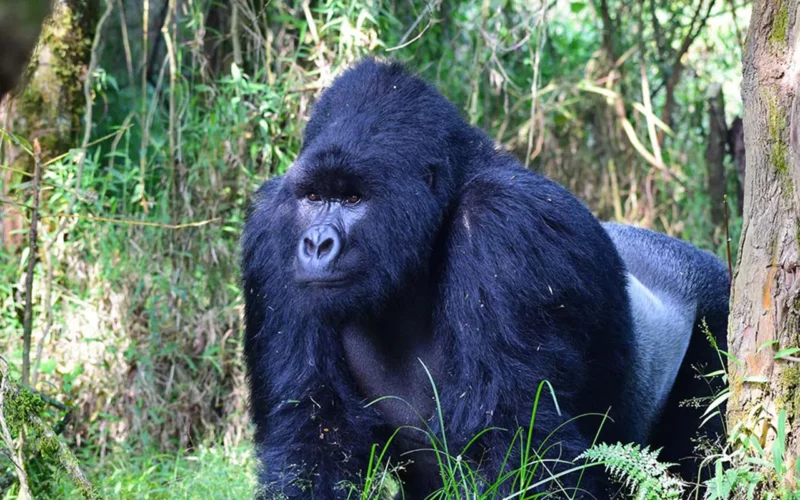
- Consider other adds-on experiences Offers including Gorilla/Chimpanzee Tracking, Wildlife and Culture Experience
While planning a Rwanda Birding trip, it is easy to tailor-in other country’s bucket-list and premier attractions namely; trekking expereince to encounter the mountain gorillas, golden monkey and chimpanzee in their natural habitats.
And although you will be birding in the same montane habitats as these man’s closest cousins, a trekking adventure to encounter them is an independent expereince that require special permits. Permits to these lifetime experiences are a high demand and must be booked and paid for well in advance to enable plan well.
Other activities that can be tailored in your birding tour include cultural tours that offer you a peek into Rwanda’s heritage, city tours, cycling, canopy walks, volcano hikes and adventurer on the scenic Lake Kivu.
While birding in the expansive savanna park of Akagera NP, you will get excellent wildlife views and photographic opportunities of the local game including several of the Africa’s Big 5 list that occur in here, whereas on a boat cruise on Lake Ihema you will come into close quarters of the semi-aquatic Hippo schools and Nile Crocodile.
- Consider the Best season to travel to Rwanda
Rwanda’s tropical climate makes it an all-year birding destination however there are regional variations according to local topography and altitude; in general, the country has got wet/dry seasons. March-May and Oct-Nov are wet seasons, while the dry spells come in from June to September and late Dec-Feb. The highlands in the country’s west and central receives more rains than the low-lying areas in the south-east and eastern regions of Rwanda.
- Do homework from regional Bird Field Guidebooks to generate a wish-list
Before you travel, spare some time to a homework about the regional sightings and generate a wish-list of species to see on a trip. This you can share with your bird guide to have a more species-target-driven birding tour. Excellent field guide including Birds of East Africa by John Fanshawe and T. Stevenson will help you familiarize yourself with local varieties. Other field guides like Birds of Africa, by Sinclair and co is also a good start. These and more have downloadable apps that come with call recordings.
The popular e-bird is a great resource to find local sightings in particular birding sites you intend to visit.
- Consider the Package Price
When you have set yourself ready for that planned Rwanda Birding trip, browse for various packages offered by local/regional operators and that’s where it gets tricky! Take note here, detailed write ups and species highlights mentioned in those packages usually indicates local knowledge and expertise of the operator. The overall package price however will come down to your planned birding duration, quality of bird guide, transport and personal comfort.
Rwanda is a well serviced destination with variety of accommodation plans ranging from super luxury to comfortable mid-range properties. The road network connecting birding sites is excellent although Akagera NP in the east retains that typical African wilderness feel that require a 4WD to explore well.
Finally, Don’t break the bank…!!
Take note of cheap packages, they look too-good-to-be true…and there are exaggerated packages too! Birding brings a difference to these ecosystems and improve communities that protect them. It should be rewarding, affordable and sustainable!
Packing essentials for a Rwanda birding Tour
Once set, it’s time to park. A full parking list for your Rwanda Birding safari must include your usual birding gear, binoculars and possibly a camera with spare batteries along with;
- A hat and sunscreen for the scorching sun
- Sunglasses
- A warm jacket or sweater for those evenings while in high altitude areas!
- Good walking shoes for forest birding
- Rain gear
- Water Bottle