
To its premier mountain gorilla and chimpanzee trekking adventure expereince across ancient rainforests, Uganda is a true birder’s paradise and a top tier birding destination.
Uganda protects an impressive bird checklist of over 1080 species representing a 50% total of Africa’s bird checklist and 11% of the world’s species checklist! This rich diversity of bird species is due to Uganda’s geographic location advantage at the confluence of Africa’s most important bird biomes/habitats and its all-year-round equatorial climate.
A Quick Country Birding Overview
- Size: 236000 km 2
- 1080 Bird Species (50% African Bird species)
- 2 Endemics; Fox Weaver (Ploceus spekeoides) and Karamoja Apalis (Apalis karamojae)
- Average Altitude 600-5010m
- Wet season: April-May and Oct-November
- Average Temperature 18-35 degrees C
A Birding Tour Around Uganda
A bird watching tour in Uganda is a rewarding experience due to the country’s small size, compactness and a good connectivity of road infrastructure linking out all birding hotspots. This connectivity affords quality birding experience as time is well spent exploiting diverse ecosystems that lie along any planned birding itinerary across the country. Secondary, all birding sites are tended to by knowledgeable site guides and are serviced by a wide range of accommodation plans.
Uganda’s Safety and Security
Uganda is a very safe country boasting a high record of security making it possible to explore even the remotest birding hotspot. The people are warm and friendly, and its population is renown for its warm hospitality and the friendliness.
What to Consider while planning a birding trip to Uganda
- Contact and book with a local expert
Planning a birding trip to Uganda is easy especially with today’s internet advantage, except that it can be overwhelming due to the abundance of diversity of habitats and species. And this where the local knowledge and expertise comes handy!
On making sure that you have a seamless birding expereince, the local handler will take care of logistics, advise on the best time/season to visit, current local sightings and choose best local guides to lead you to various birding hotspots.
- Consider other Uganda’s Adds-on- Adventure Expereince: Mountain Gorilla, Chimpanzee and Golden Monkey Trekking
Uganda is famed by its bucket-list and once-in-a-lifetime activities namely; the gorilla and chimpanzee trekking experiences. The guided trek brings you up-close to the big apes as they forage and spending up to one-full hour, observing their behavior, similar attributes and photography. To most visiting birders, they find it easy and convenient to take on these activities given that it’s these same habitats that we are birding in. It is important to note that these activities are a high demand requiring ample time to book and be paid in advance before the tour begins.
Other Uganda’s highlights to include on your birding tour could be hiking, mountaineering, rafting and community tours.
- Consider Uganda’s Excellent all-year round equatorial weather and local climate seasons
Uganda’s tropical climate makes it an all-year birding destination however, there are regional variations influenced by local topography and altitude. Central Uganda and western highlands have two wet seasons April-May and Oct-Nov while the north and north east of the country have a single but long wet season from April to October.
And from our own experience, the early weeks of the rain season seems more productive as there is abundant of food, and most species (insectivores) target this wet season.
- Consider local bird migration season
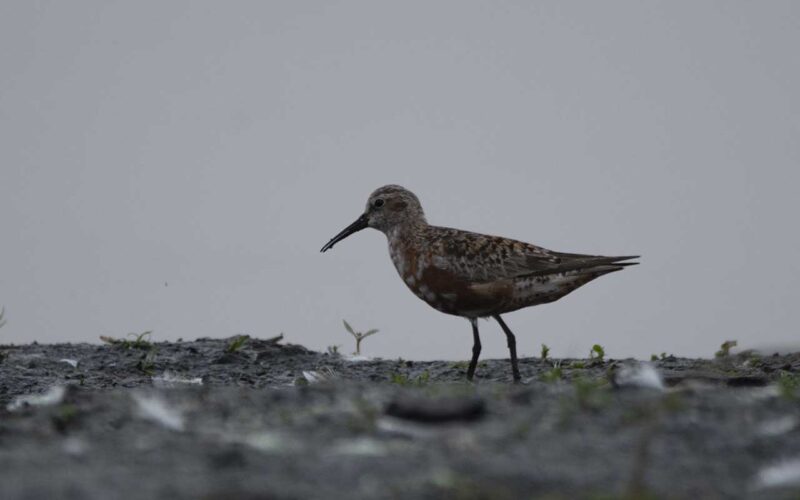
While planning a birding trip to Uganda, one would take into consideration local bird migration. Uganda lies along a migration corridor, where during the months of Oct – May, attract millions of Palearctic migrants from the northern tropics appearing in many of our savanna parks, estuaries and explosion crater lakes.
Several of these are passage migrants on their way to the southern tropics while some winter around. This cast of species include small to large waders, various warblers, wagtails, large eagles and storks. The migration season is an exciting birding time as many species occur in large congregations and dressed in non-breeding plumages.
Another cast of species include several Intra-African species especially from southern hemisphere coming to the equator from September to escape the cold winter returning early Feb and March. These are encountered in forests of all types and woodlands.
- Consider your birding experience/knowledge on other East African birds
On planning a birding trip to Uganda it is important to consider your expereince (if any) birding across any of other East African destinations. This will enable you to draw a birding circuit tailoring in various habitats and hotspots that you will explore for targeted local specialists.
- Generate a Wish-list
Call it a shopping list if you may! A wish list is a sure way to keep you motivated on a tour seeking new lifers and local sightings. This helps your private guide in planning which birding sites to explore. Thanks to technology, its easy to look up a destination and see what species occur there.
One go-to resource is the E-bird site, a citizen-science app that offers a picture of what to expect in a given location. Another great and detailed guidebook is the Birds of East Africa by John Fanshawe and T. Stevenson available as a hardcover or e-copy. Birds of Africa by Sinclair is bulky but offers a detailed information on all the continents checklist.
- Finalize your plan with which birding sites to explore
With a target list on the table, it is time to map out where, to go!
Uganda is like Africa condensed together (without the desert and the coastline of course) where up to 7 continental biomes/habitats converge here. Of the many sought after is the bird-rich Congo lowland forest that extend in Semliki Forest and the Albertine Rift Endemic Zone that covers the entire western region of the country.
Uganda offers the safest access to these biodiversity-rich zones that covers hotspots of Bwindi Impenetrable Forest, Mgahinga Gorilla NP, Echuya Forest, Rwenzori Mountains, Queen Elizabeth NP, Kibale Forest and more. Semuliki and Budongo Forests host a quality-list of Congo lowland forest specialists on their eastern range limit.
The short distance between these sites and excellent road infrastructure makes birding these sites much easy and rewarding.
- Settle the Tour Duration Question
With everything on the table, Duration of course largely depends on one time and other bucket-list experiences. Popular packaged birding tours in Uganda exploring most birding sites will run an average 28-30-Days Birding Trip. Shorter options like our 11-Day Albertine Endemic Birding Trip targets the Albertine Rift for its 24 Albertine Endemics.
Best reasons to come bird watching in Uganda
-
An all-year round-round pleasant Equatorial Climate
Lying astride the equator crossing Uganda enjoys an all-year round equatorial weather with local wet/dry annual seasons. Generally climate is highly influenced by the country’s high average elevations of about 1000m asl, and numerous topographic features including mountain ranges, vast rainforests and open water. Even then its an all-year round birding destination.
-
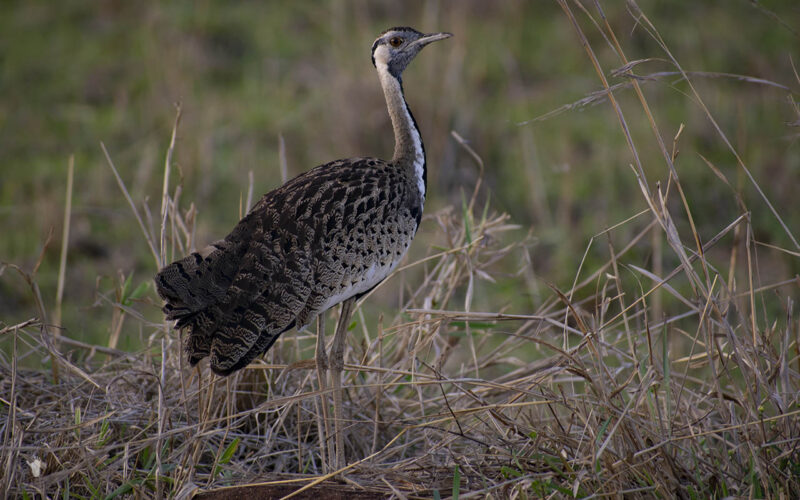
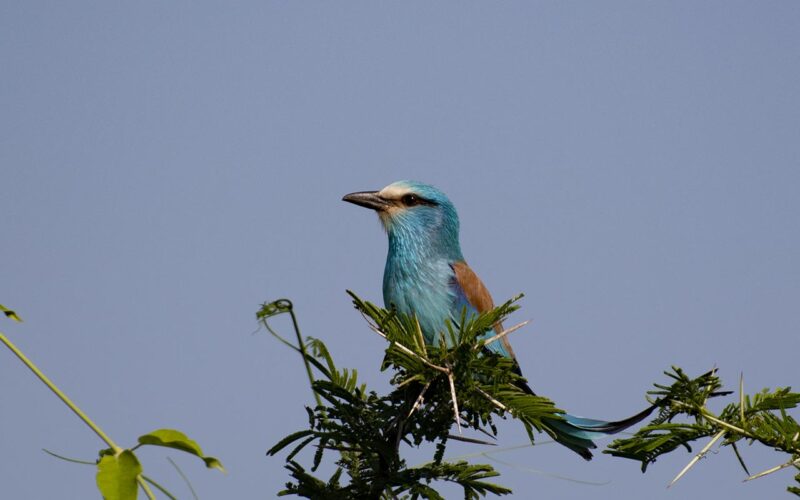
Uganda boasts a wide range and diversity of bird-rich habitats and Species
Uganda sits at the convergence of Africa’s biggest biomes/habitats and transitional zones. Here the vast East African savannas meets the expansive West Africa tropical rainforests.
The center of this biodiversity is the bird-rich Albertine Rift that run through the heart of the continent, covering the entire western border line of Uganda to extend through Rwanda and beyond. A tailored specie-target tour explores various sites and hotspots that lie within this range where up to to 27 of the total 37 Albertine Rift restricted endemics occur
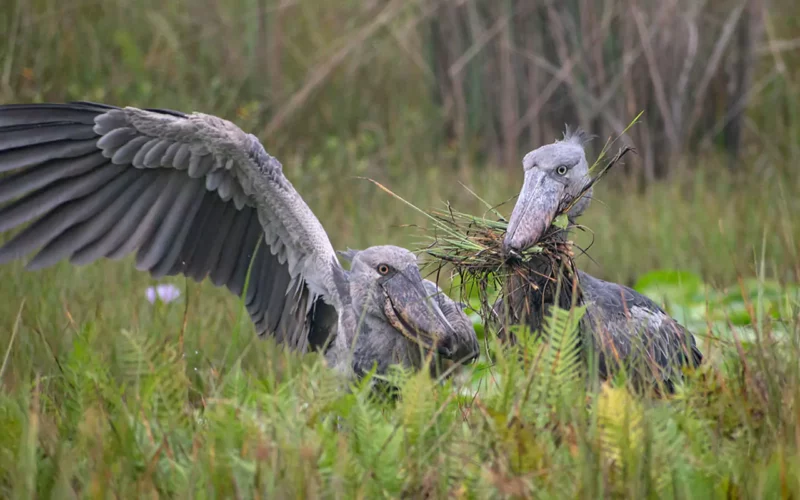
Another highlight of most visiting birders to Uganda, is the bizarre looking, rare and prehistoric Shoebill that occur in secluded marshes along the northern edges of Lake Victoria and the river Nile flood plains. These marshes offer the best chances to encounter this mythical species anywhere on the continent. Lake Victoria biome also hosts restricted species including Papyrus Gonolek, White-winged swamp Warbler, Carruthers Cistocola and a quality wetland and water associated species.
Other incredible habitats include the lowland forests of Semuliki, Budongo and Kibale Forest that brings in a quality-list of Guinea-Congo biome species to a Uganda checklist as they occur here at the edge of their range limit.
The vast savanna and woodlands that cover most of the northern region of Uganda host Sahelian species on their southern range limit unique to the Sudan and Guinea biome. The north-east of Uganda host the Somali-Masai Biome specialists across the dry bush and rocky habitats that cover this region with notably great species.
Choose your Style and Comfort on your Birding Trip in Uganda
With the above guidelines settled, let us now get personal here; Your style and comfort.
- Your Private Bird Guide
Whether you plan to travel independently or book with a local company a knowledgeable bird guide is very crucial to your birding experience. Luckily, Uganda’s local bird guides are very knowledgeable and fluent in several international languages. Utilize their vast knowledge about the country/region, latest local sightings, local site knowledge and local connections to enhance your birding experience. Besides, hiring them is another way of promoting sustainability in communities that ensures the protection of these fragile ecosystems we visit.
- Mode of Transport and Accommodation Options
Traveling to various birding hotspots across Uganda requires an excellent 4X4 vehicle that provide excellent leg-room, has great clearance, and provides window access for easy birding. An open roof enhances quality birding while in several savanna parks. Although most of Uganda is well connected with excellent road network, trail heads to various birding sites sites lie on dirt roads that require strong and study vehicles. Take note that these short dirt roads tend deteriorate in the rain season.
An excellent wide range of accommodations suiting one’s comfort and budget lie within and around all major birding sites and all our recommendations on our tours are bird friendly properties and lie close to birding trail heads.
- Consider the Price and Don’t break the bank…!!
Lastly, what is the right price? This is determined by your style and comfort, tour duration, quality of a bird guide, accommodations and mode of transport. Take note of cheap packages, they look to good to be true! But then, there are exaggerated packages too!
The right price should be determined by your personal level of comfort and duration.
Essential Parking List for a Birding trip to Uganda
Lastly, as you get ready to set off to Uganda, here is an essential parking list. To your usual birding gear, camera and nature blending clothing add;
- A hat and lots of sun scream for the scorching sun
- Sunglasses
- A warm jacket or sweater for those evenings while in high altitude areas!
- Good walking shoes for forest birding
- Easy walking shoes as you bird in the car in the hot savanna grasslands
- Rain gear
- Personal medication as advised by your GP on travels to the equatorial Africa
- Lastly and most important; a warm attitude and loads of expectation…as each day is different!