
Important Bird Areas (IBAs) in Uganda are recognized and protected sites of importance for critical viability of bird biodiversity. In Uganda, these sites of international significance are designated by NatureUganda following Birdlife International criteria for conservation and protection of birds ensuring self-sustenance of a wide range of local species.
Uganda has over 30 Important Bird Areas (IBAs) that include Africa’s unique bird-biomes that converge here that supports an impressive checklist of 1090 bird species. Important Bird Areas span over a diversity of unique habitats including vast wetlands and open water, savanna grasslands and woodlands, dry-scrub and thorny-bush plus a wide range of forests.
The biodiversity of species protected across these IBAs are categorized as; Globally threatened species, Albertine Rift Mountains restricted species, Afrotropical Highlands biome species, Lake Victoria Basin biome, Guinea-Congo Forest, Eastern-Zaire Lowland Forest biome, Somali-Masai biome, Lake Victoria Dry Woodlands, Sudan and Guinea Savanna biome species and Congregations.
Birdwatching the Important Bird Areas in Uganda
Important Bird Areas (IBAs ) in Uganda are prime birding hotspots, convenient and often tailored together to create the a rewarding and classic birding itinerary. The bulk of these IBA’s are highly accessible and developed for ecotourism activities and lie within national parks, wildlife reserves and community lands supported by a fair road network and varied accommodation styles.
Uganda’s Important Bird Areas
Below is a list of the top Important Bird Areas in Uganda arranged following our most rewarding country-wide Classic Birding Itinerary.
-
Mabamba Bay Wetlands
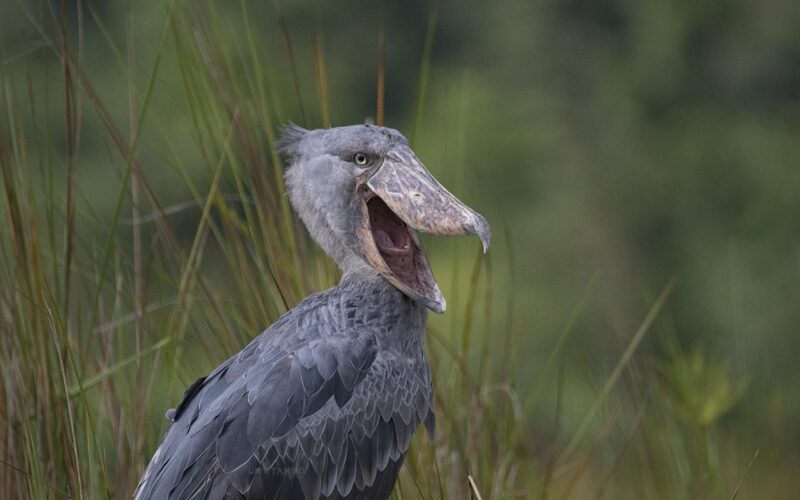
Extending over 100 sq-kms along the north-western shoreline of Lake Victoria, Mabamba Wetlands is the most convenient and easily accessed Important Bird Area IBA located near Entebbe. Mabamba Wetlands lie within the Lake Victoria biome and is the most reliable birding hotspot to encounter the pre-historic Shoebill and other marsh specialists.
Key bird highlights at Mabamba wetlands include; Shoebill, Papyrus Gonolek, Carruthers’s Cisticola, Blue-headed Coucal, Blue-throated Bee-eater, Northern Brown-throated Weaver, Lesser Jacana, and a variety of congregations and waders.
-
Bwindi Impenetrable Forest
Located in the south-west region of Uganda, Bwindi Impenetrable Forest is a prime birding hotspot with a 360-bird checklist that includes the 22 restricted Albertine Endemics. Recognized as a UNESCO World Heritage Site, the 300 sq-km Bwindi lie within the Albertine Rift known for a wide variety of endemic flora and fauna including half of the global population of the mountain gorillas.
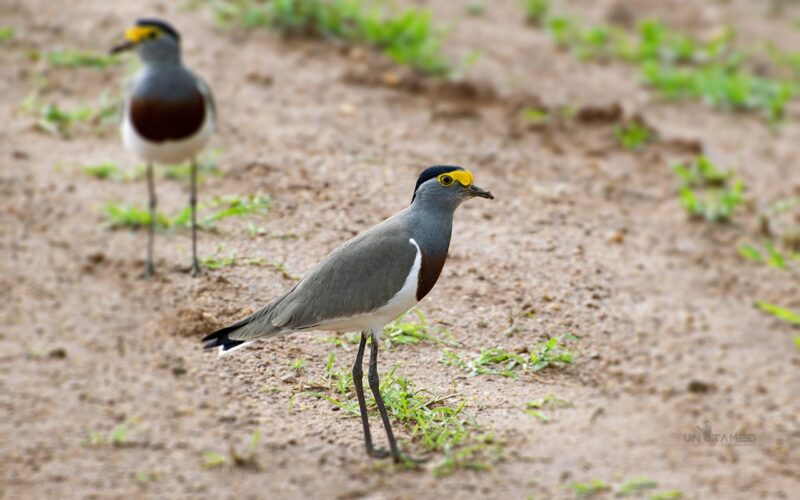
Key bird highlights at Bwindi Forest include all the 23 Albertine Rift restricted endemics and a quality selection of Afro-tropical highland forest and high-altitude swamp specialists. Bird-list include; Grauer’s Broadbill, Black-faced Apalis, Rwenzori Apalis, Stripe-breasted Tit, Strange Weaver, Neumann’s Warbler, Regal Sunbird, Grauer’s Swamp Warbler, Grauer’s Warbler, Yellow-eyed Black Flycatcher, Rwenzori Batis, Purple-breasted Sunbird and Handsome Francolin.
-
Lake Mburo National Park
Lake Mburo National Park is Uganda’s smallest savanna park set across the rain shadow of Lake Victoria and protects a wide range of habitats including vast savanna dotted woodlands and wetlands with numerous lakes. The park’s extensive wetland and lakes form the largest wetland in central Africa, a crucial ecosystem making it an Important Bird Area to protect varied biodiversity.
Bird highlights at Lake Mburo NP include a wide selection of Zambezian biome species on their northerly-range limit including; Southern Black Flycatcher, Southern Carmine Bee-eater, Southern Ground Hornbill, Red-faced and Black-collared Barbets, Tabora Cisticola and more acacia-associated species.
Here is a detailed birding blog and what to expect in Lake Mburo NP
-
Echuya Forest
Echuya Forest is an excellent bird hotspot located within the towering Kigezi highlands along the eastern edges of the Albertine Rift. Key habitats here include a permanent high-altitude swamp of Muchuya that supports large populations Grauer’s Swamp Warbler while the moist montane forest support 12 Albertine Rift Endemic and more high-altitude Afro-tropical forest species.
Key highlights include, Grauer’s Swamp Warbler, Handsome Spurfowl, Rwenzori Batis, Strange Weaver, Dusky Crimsonwing, Doherty’s Bushshrike, Elliott’s Woodpecker, Willard’s Sooty Boubou and more.
-
Maghinga Gorilla National Park
Located in the Virunga Mountain Ranges, Mgahinga Gorilla NP is Uganda’s smallest park protecting a quality montane and bamboo forest varieties. The lower altitudes of Mgahinga protects a secondary forest utilized by a wide range of high-altitude species and generalists.
Mgahinga Gorilla NP is a impressive birding hotspot where key highlights birding include up to 14 Albertine Endemics, globally threatened and Afro-montane forest restricted species.
-
Queen Elizabeth National Park
Located along the rift valley floor in the western Uganda, Queen Elizabeth NP supports an impressive 606 specie checklist across a wide range of habitats of vast wetlands, savanna woodlands, grasslands, tropical rainforests and woodlands. The park’s extensive wetlands surrounding Lake George are a recognized Ramsar site and a breeding grounds for the Shoebill and various Lake Victoria biome species. The saline crater lakes across Queen Elizabeth NP attract millions of Lesser flamingo with thousands of Palearctic migrants on their north-south migration routes.
-
Rwenzori Mountains National Park
Rwenzori Mountain National Park protects Uganda highest point, the snowcapped Magherita peaks that rise up to 5109m asl. The montane park also protects montane vegetational types from bamboo forest zones, to heath vegetational zone to Afro-alpine moorlands.
Key Species here include up to 14 Albertine Endemics including the Scarlet-tufted Malachite Sunbird, Stulman’s Sunbird, Rwenzori Batis, Rwenzori Turaco and up to 17 species of the Guinea-Congo Forest biome. Up to 60 Afro highland biome species are recorded across various altitudes on these montane ranges.
-
Kibale Forest National Park
Known as the primates capital, Kibale Forest offers a rewarding forest birding notably for its high chances to encounter Green Breasted Pitta, an elusive primary forest floor specialist. The forest also supports, a quality selection of Guinea-Congo forest biome, Afro-tropical Highland and Albertine endemic species.
Key species a Kibale include; Green-breasted Pitta, Green Hylia, Afep Pigeon, Yellow-browed Camaroptera, Toro Olive-Greenbul, Olive Long-tailed Cuckoo, Blue-throated Roller, Black-capped Apalis, Grey Parrot, Great-blue Turaco, Western Nicator, Shining-blue Kingfisher, Blue-throated Brown Sunbird, Dusky-blue Flycatcher, Dusky Tit, Equatorial Akalat, and more.
-
Semuliki National Park
Lying along the northern foothills of Rwenzori Mountains, the Semuliki National Park is Uganda’s top birding hotspot protecting the unique Eastern Zaire Lowland and Guinea-Congo forest biome/habitat. Semliki lowland forest is an extension of the great Ituri forest on its easternmost limit here bringing along an impressive checklist of birds unique to this ecosystem.
Key highlights birding at Semuliki National Park include; White-thighed Hornbill, Eastern Little Hornbill, Dwarf Hornbill, Eastern Long-tailed Hornbill, Black-casqued Hornbill, Eastern Piping Hornbill and White-thighed Hornbill, Red-chested Goshawk, Chestnut-flanked Sparrowhawk and more.
-
Budongo Forest
Budongo Forest is Uganda’s top birding hotspot offering the most rewarding birding experience notably for the Guinea-Congo lowland forest species. It is a medium altitude moist semi-deciduous forest containing patches of grasslands on the escarpment north-east of Lake Albert. The best birding trail is the Royal Mile set on the western section of the forest known for its special list of species and known from a few other handful sites in the region.
Key highlights include; Yellow-footed Flycatcher, Chestnut-capped Flycatcher, Rufous-crowned Eromomera, Chocolate-backed Kingfisher, Uganda Woodland Warbler, Forest Flycatcher, White-bellied Kingfisher, Nahan’s Partridge, Ituri Batis, Blue-breasted Kingfisher, Grey Longbill, Afep Pigeon.
-
Murchison Falls National Park
Murchison Falls NP is Uganda biggest park protecting a diversity of habitats from extensive marshes at the Nile delta, vast grasslands, palm-dotted woodlands and tropical forest. The park supports up to 450 species’ checklist categorized as of Globally threatened species, Sudan and Guinea savanna biome, Lake Victoria biome restricted species and congregations. Read our detailed birding blog in Murchison Falls here.
-
Kidepo Valley National Park
Kidepo Valley National Park is an Important Bird Area due to its advantageous location within the the Somali-Masai biome a typical horn of Africa habitat extending here on its western range limit. The parks checklist of 460 species includes up to 23 of the total 32 species restricted to this habitat. Detailed blog on birding in Kidepo Valley NP here.
-
Lutembe Bay
Lutembe Bay is a critical Important Bird Area (IBA) and a Ramsar site supporting a diversity of birdlife including Palearctic congregations, Lake Victoria Biome restricted bird species and resident waders. Lutembe Bay is a wetland habitat characterized by papyrus stands, extensive reed and lilies supporting over 110 species of birds.
This major birding hotspot is located along the northern shores of Lake Victoria and offers a rewarding day birding trip from Entebbe or Kampala.
Key Highlights of Palearctic migrants that occur between Aug-April include, Black Stilt, Slender-billed Gull, White-winged Tern, Gull-billed and Whiskered Tern, Blue-cheeked Bee-eater, Ruff, a variety of Sandpipers, Western Yellow Wagtail, Common Snipe, Common and Spotted Redshank, Common Ringed Plover, Western Marsh Harrier and more.
Key highlights of resident species include; Papyrus Gonolek, Blue-headed Coucal, Northern Brown throated Weaver, Blue-breasted Bee-eater, White-winged Swamp Warbler, Caruthers Cisticola, Greater and Lesser Swamp Warbler. Striated Heron, Little Heron, Papyrus Flycatcher, Malachite and Pied Kingfisher.
Other important Birding Areas IBAs in Uganda
More IBAs across Uganda include;
- Nyamuriro Swamp
- Kyambura Wildlife Reserve
- Bugoma Forest Reserve
- Kyambura Wildlife Reserve
- Matheniko and Bokora Wildlife Reserve
- Pian Upe Wildlife Reserve
- Mt. Elgon National Park
- Mount Moroto Forest Reserve
- Mabira Forest Reserve
- Lutoboka and Sesse Islands
- Mt. Otzi Forest Reserve
- Ajai Wildlife Reserve
- Lake Bisinia
- Lake Opeta