
Uganda is a true birding paradise, boasting an impressive bird checklist of over 1090 species across and dense concentration of bird-rich habitats. The country is also blessed with all-year round pleasant equatorial climate while its geographic location at the confluence of Africa’s top biomes/habitats makes this small East African nation – an unrivaled prime birding destination.
Covering a surface area about the size of the UK or the US state of Oregon, Uganda’s compactness makes it easily navigable creating a rewarding birding expereince.
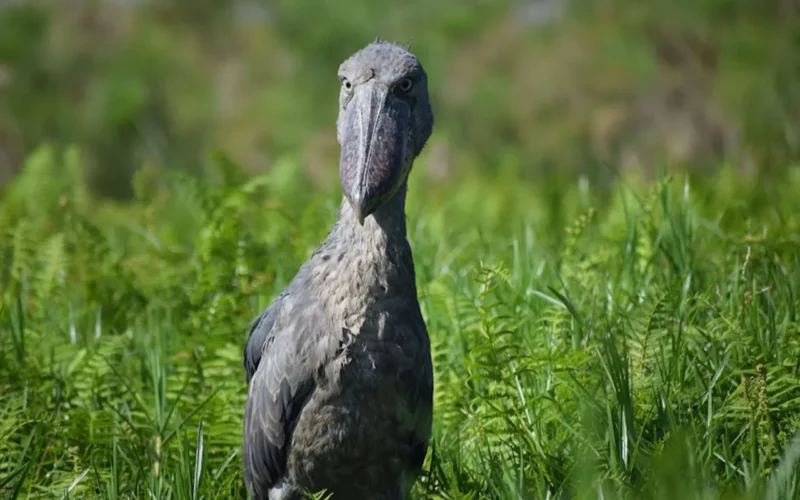
Top bucket-list bird highlights on a Uganda classic tour include; the rare and prehistoric Shoebill, up to 24 Albertine Rift endemics, a list of Congo-Lowland forest specialists at their eastern range limit, varieties of western forest specialists and more.
Uganda’s Birding Profile in Brief
- Country Size: 236000 km 2
- Over 1080 Bird Species: (50% African Bird species)
- 2 Endemics: Fox Weaver (Ploceus spekeoides) and Karamoja Apalis (Apalis karamojae)
- Altitude: 600-5010m
- Wet season: April-May and Oct-November
- Average Temperature: 18o-35o C
- 30 Important Bird Areas (IBAs)
5 Reasons to come birding in Uganda
-
A high concentration of diverse bird habitats/biomes
Uganda protects a plethora of bird-rich habitats including regional biomes/habitats that converge here. The bulk of these varied bird-rich habitats are protected within national parks and reserves with some internationally recognized and protected as Important Bird Areas (IBA) and Ramsar Sites due to their ecological importance. They include Lake Victoria Biome that covers vast wetlands and marshes extending along the flood plains of various rivers including the Nile. Uganda’s eastern region is covered by stretches of the unique Somali-Masai habitat bringing along a characterful list of Horn of Africa specialists on their western range limit.
The western region of Uganda lies within the Albertine Rift Endemic (ARE), Africa’s most biological diversity zone known for its high levels of endemism where up to 24 species of the 39 species are recorded in Uganda. The Afro-tropical highland habitats comprises of high-altitude montane forests while the Guinea-Congo forest habitats comprises of mid-altitude tropical and lowland forests.
The Sudan-Guinea savanna habitat cover extensive grasslands and woodlands in the north and north-west region of Uganda. In between these key habitats are vast agricultural and overlap zones that support a diversity of birdlife.
-
Geographic location advantage along the Equator line
Uganda’s geographic advantage along the equator ensures an all-year-round pleasant climate that is locally influenced by it’s high-altitude where the bulk of the country lies above 1000m asl. This equatorial climate comprises of annual wet and dry patterns/seasons that vary according to local topography.
-
Geographic location advantage along the bird migration corridor
Uganda lies along the trans-continental migration corridor where thousands of seasonal Palearctic and intra African migrants pass while on their north-south route. These passage migrants often appear in large congregations exploiting various habitats ranging from wetlands, estuaries and crater lakes in the rift valley. Some winter here exploiting various woodlands, forests and savanna grassland habitats.
Notable migrants include; up to a million congregation of Lesser Flamingo (Phoeniconaias minor), thousands of White-winged Black Terns, Western Wagtails, Booted Eagle, Grasshopper Buzzards, Steppe Eagles and more. Regional intra-African migrants and local altitudinal migrating species occur.
-
Uganda’s excellent record of security and safety
Uganda’s excellent security and safety record stands out in the region. All forest reserves, national parks, wildlife and community reserves are all safe but personal responsibility, respect to the local cultures and traditions is crucial when birding across Uganda or even elsewhere.
-
Excellent Connectivity and Accommodations Infrastructure in around Birding Hotspots
Uganda’s small size and compactness makes it navigable with varied habitats lying close to each other. These habitats are linked together along a fair to excellent national road infrastructure creating a rewarding expereince.
Because of this great connectivity, transfer time between various birding hotspots is rather utilized to explore small macro habitats that lie between major sites.
A varied range of accommodation service all bird hotspots across the country differing in; level of comfort, amenities, location advantage, personal service and bird- friendly environment.
-
Expert bird guides and excellent hospitality
Uganda boasts an incredible passionate and youthful expert bird guides with a vast knowledge of regional species and habitats. These guides are all fluent in English (Uganda’s official national language) and now also in other major languages. Local birding hotspots are served by highly knowledgeable site guides.
The youthful population of Uganda is known for its warm hospitality and welcoming attitude unmatched on the continent. This hospitality and friendliness is due to the country’s diverse cultural heritage.
Important Information to consider while planning a Uganda standard birding trip
What is a typical duration of a classic Uganda birding tour
One important component when planning and tailoring a Uganda birding is: How much experience you have with the birds of East Africa. This background helps in compiling sites/hotspots that lie along a specific circuit and what to expect from there. Other than that, an all round Uganda birding trip largely depend on the time and resources you have on your hands.
An example of a well-paced Classic Uganda birding package stretches between 21 – Days to 28 Days where you exploit quit a number of habitats across the country. Highlights here includes the prehistoric Shoebill, dry country specialists unique to the Somali- Masai biome extending into vast grasslands and woodlands in the north-west of Uganda.
The tour paces down to bird well varied western Uganda forests that lie within the bird-rich Albertine Rift Area where habitats include; lowland forests, woodlands, mid-altitude forests and high-altitude rainforest requiring an ample time, working through various elevations for specialist.
Read more on our detailed Uganda’s popular birding circuits here.